
Red light therapy has moved from clinical settings into everyday wellness routines — and for good reason. But with so much noise online, it can be hard to separate what's real from what's hype.
Here's a clear, honest breakdown of what red light therapy is, what the science says, and whether it's worth adding to your routine.
What Is Red Light Therapy?
Red light therapy (RLT) — also called photobiomodulation or low-level laser therapy (LLLT) — is the use of specific wavelengths of red and near-infrared light to stimulate biological processes in the body.
Unlike UV light (which damages skin) or blue light (which disrupts sleep), red and near-infrared wavelengths penetrate the skin safely and interact with cells at a mitochondrial level. The result is a cascade of natural recovery and repair processes.
The most commonly used wavelengths are:
- 630–660nm (visible red light) — penetrates the skin surface, supporting collagen production and surface-level tissue repair
- 810–850nm (near-infrared light) — penetrates deeper into muscle, joint, and nerve tissue, supporting recovery and reducing inflammation
How Does It Work?
The leading theory centres on mitochondria — the energy-producing structures inside your cells. Red and near-infrared light are absorbed by a mitochondrial enzyme called cytochrome c oxidase, which boosts the production of ATP (adenosine triphosphate) — the primary fuel your cells use to function and repair.
More cellular energy means:
- Faster tissue repair and recovery
- Reduced oxidative stress and inflammation
- Improved circulation to treated areas
- Enhanced collagen synthesis in the skin
Think of it as giving your cells a recharge — helping them do what they're already designed to do, more efficiently.
What Does the Research Say?
Red light therapy is one of the more well-researched areas of non-invasive wellness. Studies have examined its effects across a range of applications:
- Muscle recovery: Research published in peer-reviewed sports medicine journals has shown RLT can reduce delayed onset muscle soreness (DOMS) and accelerate recovery after exercise
- Joint pain and inflammation: Multiple studies support its use for reducing pain and stiffness in conditions like arthritis and tendinopathy
- Skin health: Clinical trials have demonstrated improvements in collagen density, skin tone, and wound healing
- Sleep quality: Emerging research suggests near-infrared light may support melatonin regulation and improve sleep depth when used in the evening
It's worth noting: results vary based on device quality, wavelength accuracy, treatment duration, and consistency. Not all red light devices are equal.
Is It Safe?
Yes — when used correctly. Red light therapy has an excellent safety profile. It produces no UV radiation, generates minimal heat, and has no known serious side effects at recommended exposure levels.
The main precautions are straightforward: avoid direct eye exposure without appropriate protection, follow recommended session durations, and consult a healthcare provider if you have a photosensitive condition or are on photosensitising medication.
How to Use It Effectively
Consistency matters more than intensity. Most research protocols use sessions of 10–20 minutes, 3–5 times per week, with the device positioned 10–30cm from the skin depending on the device and target area.
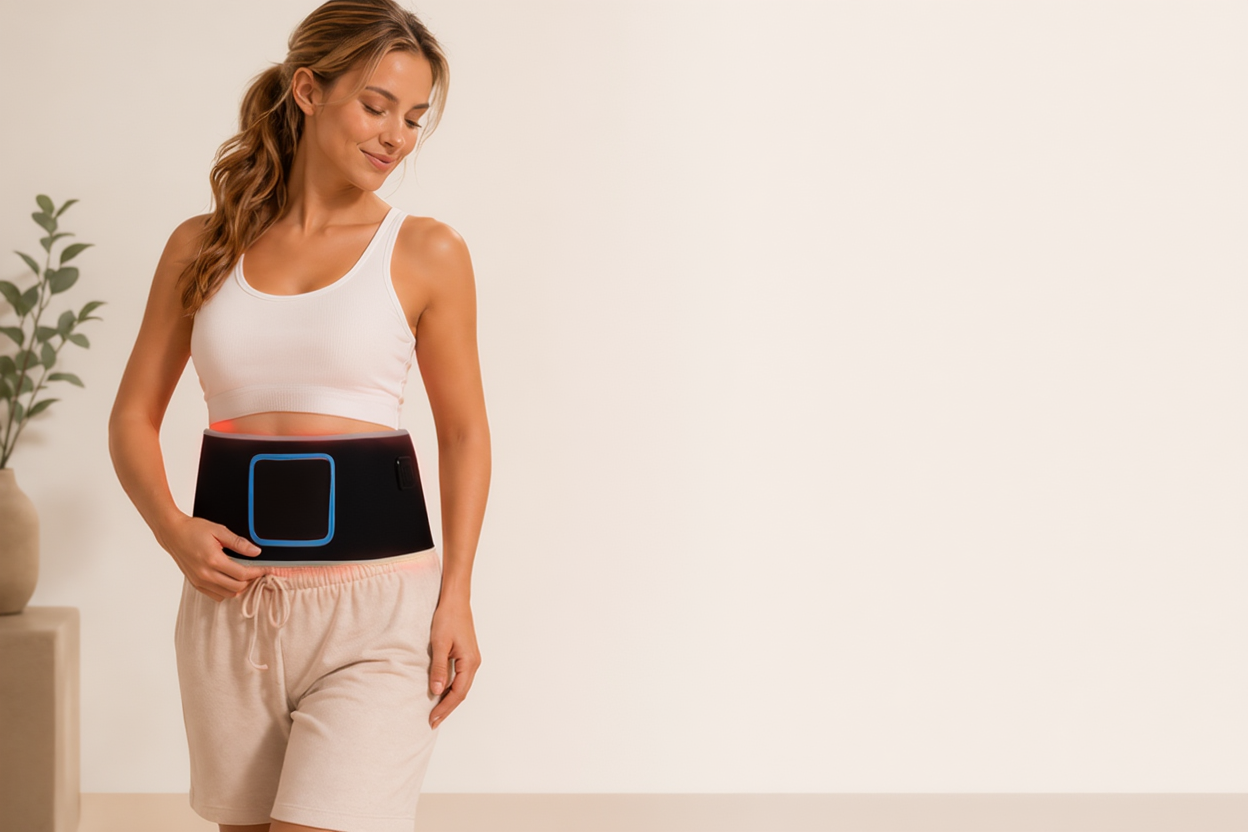
For targeted recovery — lower back pain, joint stiffness, post-workout soreness — a wearable device like the Torava™ Red Light Therapy Belt allows hands-free treatment directly over the affected area. For broader full-body sessions, a panel like the RegenaRay™ Red Light Therapy Panel delivers higher coverage in a single session.
Evening use is particularly effective — red light supports recovery without the stimulating effects of blue light, making it a natural fit for a pre-sleep wind-down routine.
So — Does It Actually Work?
For most people, used consistently with a quality device: yes.
Red light therapy isn't a miracle cure, and it works best as part of a broader recovery and wellness approach. But the underlying science is sound, the safety profile is strong, and the practical benefits — reduced soreness, better sleep, improved skin, faster recovery — are well within reach for anyone willing to be consistent.
The key is starting with the right device and the right protocol.
Ready to explore red light therapy? Browse the Neurelio red light therapy range →


Dejar un comentario
Este sitio está protegido por hCaptcha y se aplican la Política de privacidad de hCaptcha y los Términos del servicio.